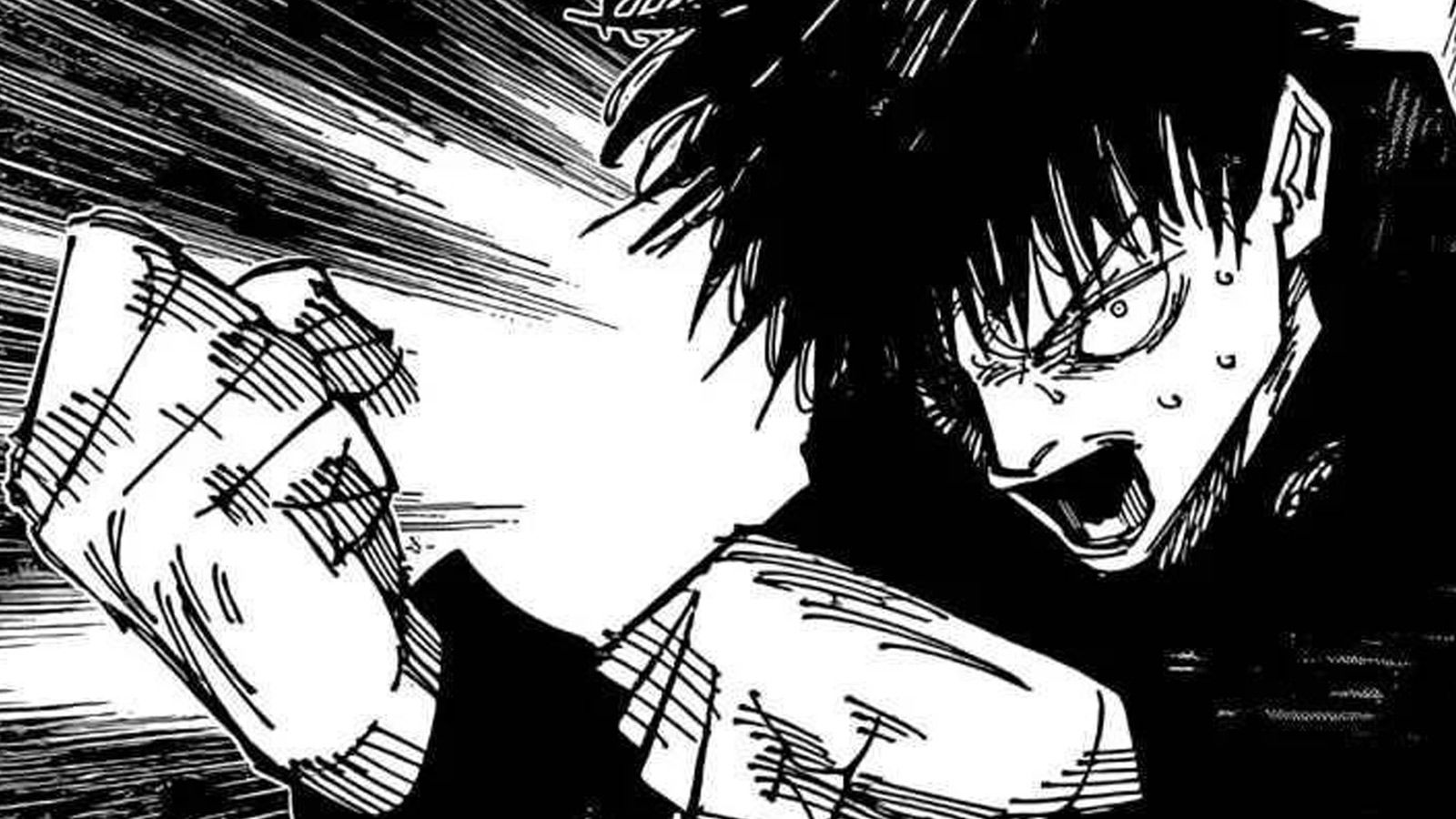
For fans of the universally acclaimed Jujutsu Kaisen, few characters have captured hearts quite like Megumi Fushiguro. His stoic demeanor, powerful Ten Shadows Technique, and complex inner world made him a cornerstone of the original series' beloved trio. His rapid ascent in popularity rankings underscored his importance to the narrative and the fandom alike. So, when news of a sequel, Jujutsu Kaisen Modulo, emerged, one question echoed through the fandom with a particular intensity: Is Megumi Dead?
The answer, while delivered with a heartbreaking subtlety and a powerful narrative silence, is a resounding yes. Within the pages of Jujutsu Kaisen Modulo, the official continuation set 68 years after the original story’s tumultuous conclusion, it becomes devastatingly clear that Yuji Itadori’s steadfast companion did not survive the events that shaped their future.
The Lingering Question: Is Megumi Dead in JJK Modulo?
Let's address the central inquiry head-on: yes, Megumi Fushiguro is unequivocally dead in Jujutsu Kaisen Modulo. While the sequel series, spanning 25 chapters, never explicitly depicts his final moments on panel, the narrative woven throughout provides overwhelming, albeit indirect, evidence of his tragic fate. This outcome, though painful for many, solidifies a significant turning point in the extended JJK universe and leaves a palpable void in the lives of the characters who lived on.
The confirmation of Megumi’s death isn't a single, dramatic reveal, but rather a somber tapestry woven through character interactions, telling silences, and the very fabric of the future world. It’s a testament to the storytelling craft that such a profound loss can be conveyed without a single splash page of his demise, relying instead on the weight of what isn't said or seen. For those seeking definitive answers regarding Is Megumi Fushiguro Dead in JJK Modulo? The Indirect Confirmation lies in understanding these narrative nuances.
JJK Modulo: A Glimpse into a Future Without Megumi
What is Jujutsu Kaisen Modulo?
Jujutsu Kaisen Modulo stands as the official manga sequel to Gege Akutami’s original masterpiece. Picking up 68 years after the dust settled from the climactic Shinjuku Showdown, this 25-chapter series delves into a vastly altered jujutsu world. It offers fans a poignant look at the surviving characters, particularly an older, seasoned Yuji Itadori, as he navigates a landscape forever changed by past conflicts.
The series, much like its predecessor, holds its place among influential modern shonen, continuing to explore themes of sacrifice, power, and the enduring human (and inhuman) spirit. Modulo also features the return of beloved characters like Nobara Kugisaki, who surprisingly survived her severe injuries from the Shibuya Incident, and even glimpses of other familiar faces like Ui Ui and various supporting cast members. However, it is the glaring, persistent absence of one specific individual that speaks loudest about his ultimate destiny, confirming that he did not survive the original story's final brutal encounters.
The Power of Silence: Unpacking the Evidence of Megumi's Demise
The most compelling proof regarding the question, "Is Megumi Dead?" lies not in a direct statement, but in a carefully constructed narrative of omission and grief. For those attentive to Akutami’s nuanced storytelling, the clues are unmistakable and build throughout the 25 chapters:
- Total Absence: Throughout all 25 chapters of Jujutsu Kaisen Modulo, Megumi Fushiguro is nowhere to be seen. Unlike Nobara or even brief mentions of other original cast members (such as Maki Zenin or Toji Fushiguro, Megumi’s father, who makes an appearance), Megumi makes absolutely no physical appearance. His signature Ten Shadows Technique is never referenced as active in this future timeline, nor is he mentioned by name in any context that suggests his survival or continued existence. This complete vanishing act is the foundational piece of evidence, making his absence a character in itself.
- The Weight of Unspoken Words Between Yuji and Nobara: When Yuji Itadori and Nobara Kugisaki finally reunite in Modulo, their interactions are charged with a profound, unspoken sorrow. Their conversations, while hinting at past trauma, conspicuously avoid direct mention of Megumi by name in any positive light. In Japanese narrative traditions, and specifically in Akutami's writing style, what characters *don't* say often carries more emotional weight and significance than explicit declarations. The shared, somber silence around Megumi's name throughout 25 chapters is a powerful testament to a loss they both share and have processed, a deep wound they carry together.
- Narrative Framing of Past Sacrifices: Chapter 13 of Modulo introduces a death match against an alien antagonist race. Within this context, the narrative frequently alludes to immense past sacrifices and losses suffered by humanity during the original story’s climax. The framing of these discussions strongly implies that Megumi was among those who fell during the events of the Shinjuku Showdown. The series treats his absence not as a mystery for readers to solve, but as a tragic, established fact that the surviving characters have long since accepted. This is a critical insight into Jujutsu Kaisen Modulo: Why Megumi's Absence Confirms His Tragic Fate.
- Contrasting Fates and Appearances: The return of Nobara, who suffered seemingly fatal injuries, and the appearances or mentions of other significant characters from the original series, including members of the Zenin clan, further highlight Megumi's unique absence. If others, even those gravely wounded, could return, why not him? This stark contrast makes his non-presence even more striking and definitive. Even his father, Toji Fushiguro, is referenced in Modulo, yet Megumi himself remains unseen.
- Final Indirect Confirmation in Chapter 25: While the entire series builds this quiet confirmation, the final chapter of Modulo offers perhaps the clearest indirect statement. Megumi's name does finally pop up, but not in a way that suggests his survival. Instead, the context provided in Chapter 25 leaves virtually no room for doubt, cementing the belief that Megumi Fushiguro met his end during the original timeline's ultimate battle.
Why an Indirect Confirmation? Akutami's Narrative Style and Impact
The decision to confirm Megumi's death indirectly, rather than with a dramatic on-screen fatality, is a hallmark of sophisticated storytelling often found in Akutami's work. This approach offers several narrative advantages that deepen the story's emotional impact:
- Heightened Emotional Resonance: By not showing the death, the story forces the reader to experience the loss through the eyes of the surviving characters. We feel the weight of Yuji and Nobara's grief, not just the shock of a single event. This makes the tragedy more profound and lingering, as it mirrors the long-term impact of real-world loss.
- Realism in Loss: In real life, we often learn of deaths through absence, through the reactions of others, or through the cessation of a person's presence. An indirect confirmation mirrors this reality, making the fictional loss feel more authentic and impactful to the reader, pulling them deeper into the characters' lived experience.
- Focus on the Aftermath: The primary purpose of Modulo isn't to rehash past battles, but to explore the future shaped by them. By treating Megumi's death as a settled fact, the narrative can focus on how the survivors cope, rebuild, and navigate a drastically changed world, rather than dwelling on the "how" of his demise. It shifts the focus from the event to its enduring consequences.
- Respect for the Character's Legacy: For a character as beloved and complex as Megumi, an off-panel death might seem less dramatic, but it can also be interpreted as preserving his dignity and mystery. His end is not sensationalized; it is a fundamental, tragic part of the world's history. This approach allows his legacy to cast a long, somber shadow without requiring a gruesome final scene that might overshadow his overall impact.
This narrative choice forces fans to grapple with the implications, prompting discussions and further solidifying Megumi's place as one of the most memorable and impactful characters in modern shonen, even in his profound absence.
In conclusion, for those still grappling with the question, "Is Megumi Dead?" in the context of Jujutsu Kaisen Modulo, the answer is a heartbreaking but definitive yes. The official sequel series, set decades after the original, masterfully uses absence, unspoken grief, and subtle narrative cues to confirm Megumi Fushiguro's demise during the original story’s tumultuous final conflict. His complete vanishing from the narrative, coupled with the somber interactions of his closest friends, paints a clear picture of a world that moved on without one of its brightest and most promising sorcerers. While fans may mourn the lack of a direct farewell, the chosen method of confirmation underscores the profound impact Megumi had on his world and on the hearts of his companions. His legacy, though marked by absence in Modulo, continues to resonate, reminding us of the immense sacrifices made in the fight against curses and the enduring power of bonds, even those tragically severed.