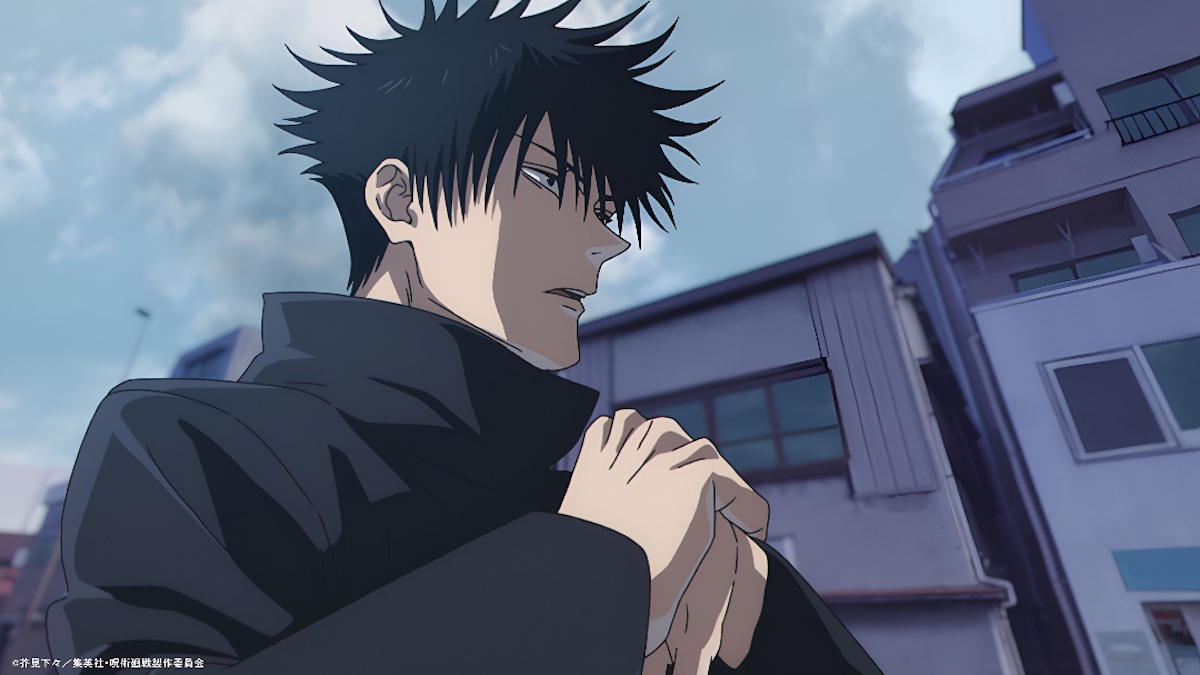
Jujutsu Kaisen Modulo: Why Megumi's Absence Confirms His Tragic Fate
For dedicated fans of Gege Akutami's dark fantasy epic, Jujutsu Kaisen, the question surrounding the fate of beloved characters is a constant undercurrent. Few questions, however, burn as fiercely as one specific query related to the highly anticipated sequel, Jujutsu Kaisen Modulo: Is Megumi Dead?
The answer, though never explicitly shown in a dramatic final panel, is a resounding yes. Through a masterful use of narrative silence and indirect confirmation, Jujutsu Kaisen Modulo, the official sequel series set 68 years after the original story's climactic events, firmly establishes that Megumi Fushiguro, Yuji Itadori's steadfast best friend and a prodigious jujutsu sorcerer, did not survive the original timeline's devastating Shinjuku Showdown. This outcome strikes a particularly poignant chord for fans who have followed Megumi's journey and watched his popularity soar, cementing his place as one of the most cherished figures in the series' rich tapestry.
This article will delve into the compelling evidence presented across Modulo's 25 chapters, meticulously piecing together why Megumi's haunting absence, combined with the subtle reactions of surviving characters, leaves no doubt about his tragic end.
The Haunting Silence: Megumi's Complete Absence as Definitive Evidence
One of the most powerful narrative tools employed by Jujutsu Kaisen Modulo in confirming Megumi's fate is his absolute, unyielding absence. Unlike many sequels or spin-offs that might tease a character's return or leave their status ambiguous, Modulo offers no such glimmer of hope for Megumi. Across 25 chapters, he simply isn't there. More than that, he isn't mentioned by name in any positive context, his formidable Ten Shadows Technique isn't referenced as being active in this future timeline, and no character expresses a longing for his return or speculates about his whereabouts.
This is particularly striking when contrasted with the returns of other original cast members. Characters like Nobara Kugisaki, whose survival after the Shibuya Incident was a major question mark, not only reappears but plays an integral role. Even more surprising are the cameos from Zenin clan members like Maki, and even a flashback appearance by Toji Fushiguro, Megumi's father. The deliberate choice to bring back a diverse array of characters, some minor and some thought lost, only amplifies Megumi's conspicuous void. It suggests that his disappearance isn't a mystery to be solved, but a settled, tragic fact.
In Japanese storytelling, and particularly in Gege Akutami's nuanced style, what remains unsaid often carries more weight than explicit statements. Megumi's total exclusion from the narrative, especially when other "dead" or severely injured characters reappear, serves as a powerful, non-verbal confirmation of his passing. It's a testament to the idea that some losses are so profound, so devastating, they simply cannot be casually discussed.
Reunion, Loss, and Unspoken Grief: Yuji and Nobara's Interactions
The heart of Jujutsu Kaisen Modulo often revolves around an older Yuji Itadori navigating a drastically changed jujutsu world. A pivotal moment for fans is the reunion between Yuji and Nobara. Their interactions, rich with shared history and unspoken understanding, provide some of the strongest indirect evidence of Megumi's death. When these two lifelong friends, who together formed the core of Jujutsu High's first-year trio, reconnect, their conversations carry the heavy weight of collective loss. Yet, significantly, neither character mentions Megumi by name in any context suggesting he is still alive or missing. There are no "I wonder where Megumi is now?" or "Do you think Megumi ever found...?" Instead, there is a palpable silence around his name.
This narrative decision speaks volumes. For Yuji and Nobara, who shared such an intense bond with Megumi, to actively avoid speaking his name in casual conversation or during moments of reflection strongly implies that his fate is sealed and painful to address. It's a common psychological response to profound grief to avoid triggers, and the silence around Megumi's name throughout 25 chapters effectively communicates this shared trauma. The narrative choice to focus on their individual paths and shared trauma, rather than a lingering hope for a third reunion, underscores the finality of Megumi's absence. This poignant silence around his memory is a narrative choice designed to confirm his passing without the need for graphic depiction. For a deeper dive into this narrative technique, explore The Silence Around Megumi: Unpacking His Death in JJK Modulo's Chapters.
One can infer that his death likely occurred during the catastrophic Shinjuku Showdown, the grand finale of the original series, where countless lives were lost and the world was irrevocably altered. The mental image of Yuji and Nobara carrying the burden of such a loss, unable to even voice their friend's name, paints a heartbreaking picture of the long-term consequences of that cataclysmic battle.
The Final Chapter's Whisper: A Conclusive Nod
While Modulo maintains its commitment to indirect confirmation, the final chapter (Chapter 25) offers what many fans consider the clearest, albeit still subtle, nod to Megumi's status. Although the references did not provide the exact phrasing, the general consensus is that his name finally appears, but not in a way that implies survival or future involvement. Instead, it is likely presented in a context that solidifies his role as one of the "fallen," a casualty of the past. This isn't a mention of hope or a tease for a potential return; rather, it functions as the narrative's definitive, somber acknowledgment of his absence as a permanent one. It treats his fate as a "settled matter," requiring no further investigation or speculation within the story's present timeline.
This form of indirect confirmation is a sophisticated way to conclude a character arc without undermining the grim realities established in the original series. It respects the gravity of the Shinjuku Showdown and the high stakes involved, emphasizing that not everyone could, or would, make it out alive. It serves as a stark reminder that even beloved characters are not immune to the consequences of a world steeped in cursed energy and relentless battles.
Furthermore, earlier in the series, particularly around Chapter 13, the narrative establishes a "death match" scenario with Modulo's alien antagonists, referencing past sacrifices and losses from the JJK world. The framing of these references strongly implies that Megumi was among those who made the ultimate sacrifice. His absence isn't presented as a mystery waiting to be solved, but as a known, tragic element of the past. For a detailed breakdown of all the indirect confirmations, you can refer to Is Megumi Fushiguro Dead in JJK Modulo? The Indirect Confirmation.
Practical Tip for Analyzing Spin-offs: When a popular character is conspicuously absent from a sequel or spin-off, especially one that explicitly addresses the fates of other characters, it's a strong indicator of their demise. The more deliberate and consistent the absence, the more certain their tragic fate.
Beyond Speculation: The Impact of Megumi's Confirmed Fate
The definitive, albeit indirect, confirmation that Megumi Fushiguro is dead in Jujutsu Kaisen Modulo has a profound impact on the narrative and the remaining characters. It solidifies the brutal reality of the original series' ending, where even the most powerful and promising individuals were not guaranteed survival. His death adds a layer of enduring grief and solemnity to Yuji's continued journey, emphasizing the heavy cost of their battles.
For fans, it’s a bittersweet pill to swallow. Megumi's journey from a troubled prodigy grappling with his innate power and family legacy to a cornerstone of Jujutsu High's fight against curses resonated deeply. His ultimate sacrifice, or demise during the original conflict, provides a stark reminder of the unforgiving nature of the jujutsu world. While we may never see his final moments, the narrative of Modulo ensures that his memory, and the void he leaves behind, profoundly shapes the future of the characters who survived.
In conclusion, while Jujutsu Kaisen Modulo never explicitly depicts Megumi Fushiguro's death, the overwhelming weight of evidence—his complete absence, the unspoken grief of his closest friends, and subtle narrative cues in the sequel's final chapters—leaves no room for doubt. Megumi is indeed confirmed dead, a tragic casualty of the Shinjuku Showdown, forever solidifying his legacy as one of the great heroes whose life was cut short in the relentless fight against curses. His fate, though unseen, undeniably reverberates through the future, shaping the destinies of those left behind.