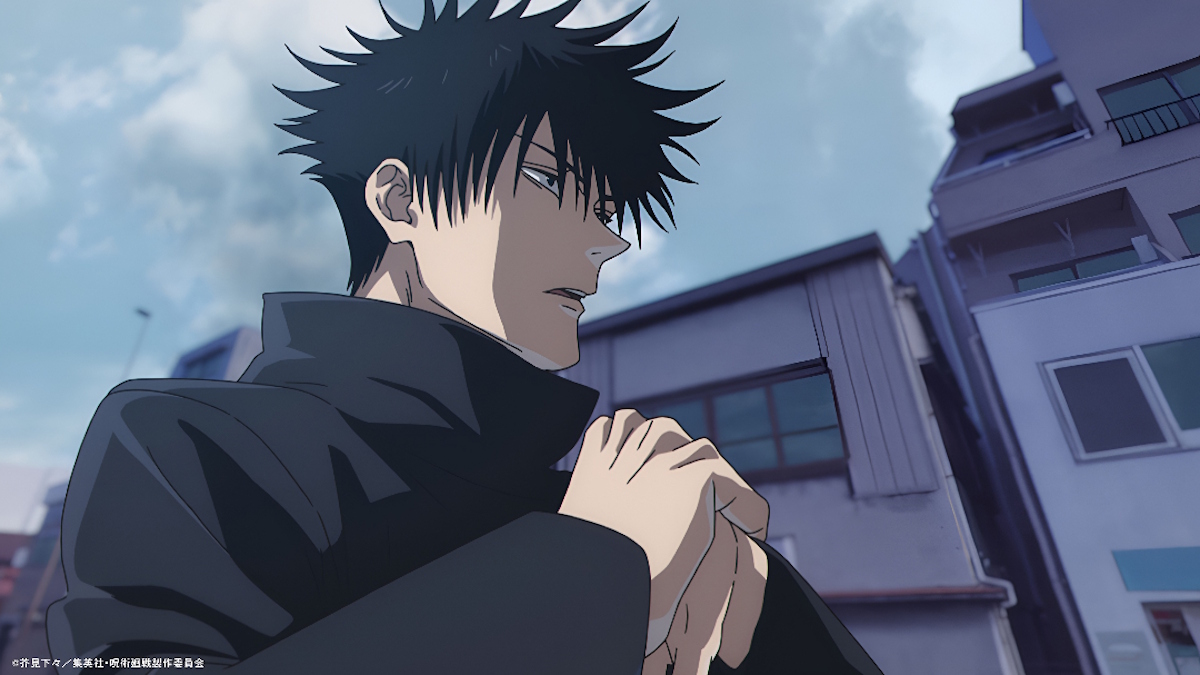
The Tragic Truth: Is Megumi Fushiguro Dead in JJK Modulo? An Indirect Confirmation Unveiled
For fans who have followed the intense, high-stakes world of Jujutsu Kaisen, few questions burn hotter than the fate of its beloved characters. As the narrative progressed, the prospect of beloved heroes falling became an ever-present dread. This dread only intensified with the arrival of Jujutsu Kaisen Modulo, the official sequel series. If you've been wondering, "Is Megumi Dead?" or more specifically, "Is Megumi Fushiguro dead in JJK Modulo?", prepare for a definitive, albeit somber, answer.
The short, tragic answer is yes. Megumi Fushiguro is confirmed dead during the events leading up to or during Jujutsu Kaisen Modulo. While the series, set 68 years after the original story, never explicitly shows his death on panel, the mountain of evidence accumulated across Modulo’s 25 chapters leaves no room for doubt. For many, this outcome for one of the most popular characters in the series, particularly after the harrowing Shinjuku Showdown, hits with profound sadness.
The Definitive Answer: Megumi Fushiguro's Fate in JJK Modulo
Yes, Megumi Fushiguro is dead in Jujutsu Kaisen Modulo. His demise is not a plot twist to be unraveled or a mystery left ambiguous, but rather an established, tragic fact confirmed through a masterclass in indirect storytelling. Jujutsu Kaisen Modulo serves as the official continuation of Gege Akutami’s critically acclaimed saga, diving into the future 68 years post-original series conclusion. This spin-off manga, running for 25 chapters, offered a glimpse into a vastly changed jujutsu world, primarily through the eyes of an older Yuji Itadori.
The series, while bringing back fan favorites like an adult Nobara Kugisaki and giving major roles to others like Ui Ui and even brief appearances from Maki Zenin and Toji Fushiguro, conspicuously omitted one crucial figure: Megumi Fushiguro. His complete and utter absence, coupled with the somber undertones of conversations between surviving characters, paints a clear picture. The narrative doesn't tease his potential return; instead, it solidifies the understanding that Yuji Itadori’s best friend and crucial ally did not make it through the final, cataclysmic battles against Sukuna. This indirect confirmation, woven throughout the fabric of Modulo, is a testament to the brutal realities of the Jujutsu Kaisen universe, where even the most beloved characters face irreversible ends.
Unpacking the Indirect Confirmation: A Web of Absence and Silence
The confirmation of Megumi Fushiguro’s death in Jujutsu Kaisen Modulo isn't delivered via a dramatic flashback or a character explicitly stating "Megumi is dead." Instead, it's a meticulously crafted narrative void, filled with powerful implications and unspoken truths. This approach, characteristic of skilled Japanese storytelling and Akutami's own nuanced style, makes his absence a louder statement than any direct declaration could be. For a deeper dive into this narrative strategy, consider exploring Jujutsu Kaisen Modulo: Why Megumi's Absence Confirms His Tragic Fate.
The Ghost of Absence: A Conspicuous Omission
Perhaps the most compelling piece of evidence is Megumi's total non-appearance. In a sequel series that took pains to show what became of other original cast members—Yuji Itadori as a central figure, Nobara Kugisaki’s triumphant return, and even secondary characters like Ui Ui—Megumi's complete invisibility speaks volumes. His powerful Cursed Techniques, particularly the Ten Shadows, are never referenced as active or passed down in this future timeline, suggesting their wielder is no longer present. This is a crucial detail for a character whose abilities were so central to the original series' power dynamics.
The Weight of Unspoken Words: Yuji and Nobara's Grief
When Yuji Itadori and Nobara Kugisaki reunite in Modulo, their interactions are steeped in a shared history of trauma and immense loss. What's profoundly telling is what they don't say. Neither character ever mentions Megumi by name in a positive or hopeful context. This silence is not an oversight; it's a deliberate narrative choice that carries immense emotional weight. In Japanese storytelling, particularly within Akutami's world, the unsaid often conveys more profound meaning than explicit dialogue. The shared glances, the somber tones, and the palpable sense of a missing piece in their trio serve as a constant, subtle reminder of the friend they lost. For more on this powerful narrative technique, read The Silence Around Megumi: Unpacking His Death in JJK Modulo's Chapters.
Narrative Clues and Context: The Settled Matter of Loss
Throughout JJK Modulo, there are broader narrative clues that underscore past sacrifices. Chapter 13, for instance, sets up a death match involving the alien antagonists, and the framing of past losses strongly implies that key figures, including potentially Megumi, were among the fallen. The narrative consistently treats Megumi's absence as a settled matter, a tragic consequence of the Shinjuku Showdown, rather than a mystery for the protagonists to solve or a character in hiding. There's no hint of a search for him, no lingering hope for his miraculous return, only the quiet acceptance of his fate.
The Final Chapter's Whisper: A Name Uttered, A Fate Sealed
While Megumi's name largely remains unspoken, his name does surface in the final chapter, Chapter 25, of JJK Modulo. This brief mention, however, only serves to solidify the indirect confirmation of his death. It's not a revelation of survival, but rather a final, somber acknowledgment of his impact and his ultimate demise, tying a tragic bow on his story within the sequel's timeline.
Why "Indirect Confirmation" Matters: Akutami's Storytelling Style
The decision to confirm Megumi's death through indirect means, rather than an explicit on-panel demise, speaks volumes about Gege Akutami's storytelling philosophy. It aligns with the grim, unforgiving nature of the Jujutsu Kaisen world, where even the strongest sorcerers face brutal, often undignified ends. Explicit, heroic deaths are rare; more often, characters are simply consumed by the chaos, their fates left to the imagination or pieced together from fragmented information.
This approach has several profound impacts:
- Enhanced Realism: In the brutal reality of war, not all deaths are witnessed or given a grand send-off. Many simply disappear, their absence being the only testament to their end. This mirrors that harsh truth.
- Emotional Resonance: The silence surrounding Megumi creates a lingering sense of loss and melancholy that might be more potent than a direct depiction. It forces the reader to confront the permanence of absence and the weight of unspoken grief, much like Yuji and Nobara do.
- Focus on the Living: By not dwelling on Megumi's final moments, the narrative can focus on the struggles and growth of the surviving characters, like Yuji, as they navigate a world irrevocably altered by their losses. His absence becomes a driving force for their future actions.
- Reader Engagement: While initially frustrating for some, this method encourages deeper engagement, prompting readers to connect the dots and infer the emotional landscape of the characters. It's a testament to the reader's intelligence and investment in the story.
For writers, Akutami's choice is a masterclass in "showing, not telling," leveraging the power of omission to build atmosphere, character depth, and emotional impact. It's a stark reminder that sometimes, what is left unsaid resonates more powerfully than any dramatic declaration.
The Broader Impact: JJK Modulo's Legacy and Megumi's Enduring Influence
Jujutsu Kaisen Modulo, despite its relatively short run, played a crucial role in expanding the JJK universe and providing a sense of closure, albeit a bittersweet one, for many fans. The indirect confirmation that Megumi Fushiguro is dead serves as a powerful anchor point for understanding the sheer devastation wrought by the Shinjuku Showdown. His tragic end highlights the immense cost of the battle against Sukuna and the unrelenting nature of the jujutsu world.
Megumi's enduring popularity and the emotional investment fans had in his character arc make his implied death particularly impactful. Even in his absence, his shadow looms large over the sequel, influencing the demeanor of Yuji and Nobara and underscoring the profound changes that have occurred over 68 years. His story, from a conflicted sorcerer seeking a meaningful death to a vessel for the ultimate evil, remains one of the most compelling in modern shonen anime and manga, a testament to Akutami's character development. This outcome, though painful, reinforces the stakes that have always defined Jujutsu Kaisen, where no character, no matter how beloved, is truly safe.
Conclusion
The question, "Is Megumi Dead in JJK Modulo?" is met with a resounding, albeit indirectly confirmed, yes. Through a deliberate narrative choice, Gege Akutami and the creators of Jujutsu Kaisen Modulo have confirmed Megumi Fushiguro’s death not with a dramatic final scene, but through the profound weight of his absence, the silent grief of his friends, and subtle contextual clues woven throughout the sequel's 25 chapters. This indirect confirmation serves as a powerful, emotionally resonant testament to the brutal realities of the Jujutsu Kaisen world and the enduring consequences of the Shinjuku Showdown. While his physical presence may be gone, Megumi Fushiguro's legacy, and the sorrow of his implied end, continue to resonate deeply within the hearts of fans and the lore of the series.